

Moving out of an apartment can feel straightforward at first—pack your belongings, book a moving truck, and head to your new place. But building rules, elevator bookings, parking limits, and landlord requirements can all affect your moving day.
If you’re planning an apartment relocation in Edmonton, understanding these details ahead of time can prevent delays, unexpected costs, and frustration. Working with experienced apartment movers can also make a significant difference.
In this blog, we talk about some common apartment moving rules Edmonton renters miss. We also give you some tips on how to plan ahead for a smooth move.
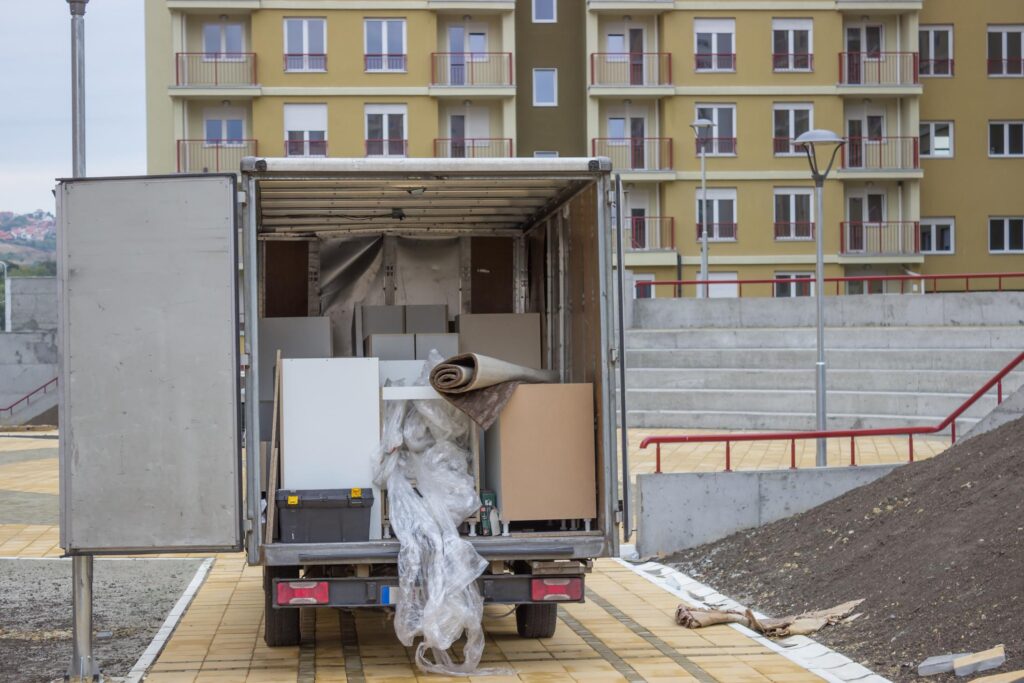
Why Apartment Moves in Edmonton Require Extra Planning
Unlike houses, apartment buildings involve shared spaces, building management, and rules to protect common areas. These policies exist to protect the building, maintain the safety of other tenants, and prevent damage to common areas.
A move can quickly become complicated if you don’t consider these challenges in advance:
- Limited elevator access
- Shared loading zones
- Parking restrictions in busy areas like downtown (hello Ice District!)
- Damage deposits or other potential requisite fees
- Rules around protecting elevator interiors, hallways, and common areas
Tenants must coordinate directly with an apartment property manager or landlord before moving day. This often includes confirming your move date, reserving elevator access, and following designated moving hours.
Elevator Bookings Are Often Mandatory
One of the most critical steps in an apartment move is booking the freight elevator.
Most multi-unit buildings in Edmonton require you to book the elevator at least two weeks before moving day. If the elevator isn’t reserved, you might not be allowed to move your furniture and belongings through the building.
Elevator bookings are key because:
- Elevator walls must be protected with padding
- The building may need to schedule moves to avoid conflicts with other occupants
- Landlords or property managers might only permit one move at a time
- Failure to reserve the elevator can result in fines between $200 and $500
Some buildings also require movers to use door stops and floor runners to prevent damage to the doors and hallways. Corporate policy and building-level rules can differ, so confirm with your building manager about specific moving rules.
Moving Hours Are Often Restricted
Another common surprise for renters is that moving hours are limited in many buildings in Edmonton.
Edmonton’s Community Standards Bylaw allows certain noise levels between 7 AM and 10 PM; however, different buildings enforce different moving hours that may fall outside of this timeframe. This can end up restricting moves to weekdays or specific daytime windows.
Many apartment and condo buildings allow moves only during:
- Weekday business hours
- Specific daytime windows (often 8 AM – 5 PM)
- Pre-approved time slots coordinated with the landlord
Weekend moves may require special approval or may not be permitted at all. Confirm moving hours well in advance—if your movers arrive outside permitted hours, you might be denied access to the freight elevator or asked to reschedule.
Loading Zones and Parking Can Affect Your Move
Parking logistics are another factor that can complicate your move. Most buildings have a designated loading area for moving. Some may require a temporary city parking permit if the loading area is on a public street, especially in busier parts of the city like downtown Edmonton.

Things to check with your building manager:
- Where the moving truck should park
- Whether a loading area reservation is required
- Time limits for loading and unloading
- Whether a City of Edmonton parking permit is needed
If the moving truck can’t park close to the building entrance, movers may need to transport items a longer distance. This can affect moving timelines and sometimes costs due to long carry distances.
Many Buildings Require a Moving Damage Deposit
Some renters may need to pay a moving damage deposit. The deposit covers potential damage to elevator interiors, hallways, lobbies/vestibules, walls, and door frames.
Once the move is complete and the building confirms there was no damage, the deposit is usually returned. An experienced moving company knows how to protect an apartment interior during a move, which can prevent issues that might affect your damage deposit.
Move-Out Inspections Are Important
In Alberta, landlords and tenants must complete a move-out inspection report when a tenancy ends. Skipping this step can lead to disputes over deposits or potential fees.
This inspection documents the condition of the apartment and helps determine whether the security deposit will be returned.
For inspections, tenants are typically required to:
- Walk through the unit with the landlord
- Document any damage or maintenance issues
- Return all keys, garage openers, and parking passes
- Confirm the unit has been cleaned
The inspection report must usually be completed within one week before or after the move-in date.
Use Extra Care When Packing for Apartment Moves
Apartment buildings often have tighter hallways, smaller elevators, and multiple floors to navigate. That means that careful packing and loading becomes even more important.
To make the process easier:
- Label each box with the room it belongs in
- Keep essential items easily accessible
- Protect fragile items and furniture carefully
- Separate important documents from packed boxes
Professional packing services ensure furniture and boxes are secured properly for elevators, stairwells, and tight hallways while protecting your valuable belongings.
Storage Can Help Solve Timing Issues
Sometimes apartment move dates don’t align—you can’t move in to your new place yet, the elevator availability doesn’t match your schedule, or you don’t have room for everything right now.
Short-term storage can make the transition easier. If you’re facing a timing gap between moves, it’s helpful to know more about when storage makes sense during a move. Storage solutions allow you to move out on time and keep your belongings safe until your new unit is ready.
Utility Setup and Address Changes Are Often Forgotten
Many renters overlook administrative tasks due to the stress of moving. Before moving day, make sure to:
- Update your mailing address and forwarding address
- Notify utility providers about your move
- Confirm electricity, internet, and other services are active at your new apartment
- Update billing addresses for banks and subscriptions
- Get renters insurance (highly recommended to cover personal belongings during the move)
Use Professional Movers to Help Prevent Problems
Apartment relocations involve more coordination than many renters expect. Between elevator bookings, parking logistics, building rules, and strict schedules, even small oversights can create delays.
Experienced movers help streamline the process by:
- Coordinating loading and elevator access efficiently
- Protecting hallways, elevators, and common areas
- Managing heavy furniture safely across floors
- Keeping the move on schedule within building time restrictions
Professional movers also know the challenges specific to Edmonton buildings. When every minute counts on moving day, a professional moving company handling logistics is worth it.
Plan Ahead for a Smooth Apartment Move
Planning early, confirming details with your landlord, and working with experienced movers can prevent delays, additional fees, and unexpected challenges.
If you’re preparing for an apartment relocation in Edmonton, contact Canadian Moving Services todayfor a free quote. Make your next apartment move simple, efficient, and stress-free.