
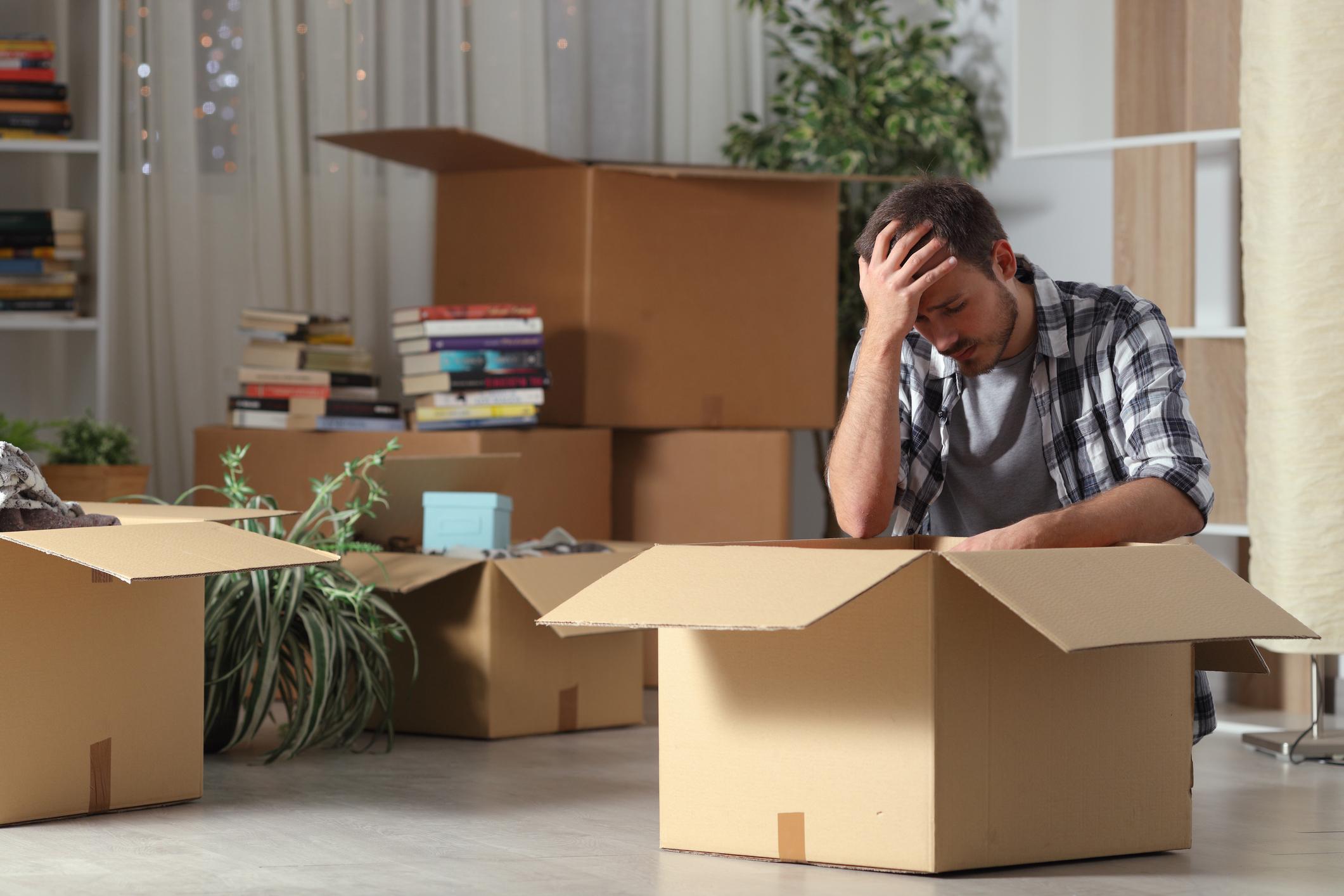
If you’re planning a move, a simple but important question often comes up: how long does packing take?
Many people assume packing will only take a day or two. In reality, the packing process is often the most time-consuming part of the entire move.
For homeowners and renters in Edmonton, this is one reason many choose to use experienced packing services. Professional movers handle packing efficiently while ensuring every item is safely prepared for transport.
If you’re planning to pack everything yourself, it’s helpful to know how long packing can take without professionals and why it can take longer than expected.

How Long Does Packing Take?
The honest answer is that packing time varies depending on several factors—the size of your home, how much stuff you have, and how organized the process is.
In general, packing a home without professionals typically takes between 10 and 100+ hours of actual work.
Here’s a rough breakdown based on common home sizes:
- Studio or 1-bedroom apartment: 10–20 hours
- 2-bedroom apartment or condo: 20–40 hours
- 3-bedroom house: 40–60 hours
- 4+ bedroom home: 60–80+ hours
For 3-bedroom houses, many DIY packers spend 3 to 5 days packing, or several weeks if they can only dedicate a few hours a day. Even a 1-bedroom apartment can require a full weekend of packing if you’re doing it yourself.
Many people underestimate the time packing takes up until the final week before moving day and may scramble to coordinate with professionals.
Why Packing Takes Longer Than Most People Expect
The packing process includes many small tasks that slow things down.
Gathering Packing Supplies
Before you even begin packing, you need the right materials:
- Sturdy boxes in different sizes
- Packing tape
- Packing paper
- Bubble wrap
- Wardrobe boxes for clothing
- Specialty boxes for fragile items
Taking the time to gather supplies is important because weak or mismatched boxes can lead to damage during the moving process.
Sorting Through Belongings
Before packing, many households go through belongings to determine what should be kept, donated, and discarded. This “three-pile method” can streamline packing but also adds time, especially in storage areas, basements, and closets that haven’t been sorted in years.
Decluttering reduces the number of packed boxes, but it’s still one of the most time-consuming aspects of the packing process.
Protecting Fragile Items
Packing dishes, glassware, electronics, mirrors, and other fragile items requires careful wrapping.
Fragile items must be wrapped in packing paper or bubble wrap and secured inside sturdy boxes. These items should also be protected with cushioning to prevent shifting.
A kitchen alone can take 4–6 hours to pack properly due to the fragility of these items and specialty packing. If you rush this, you run the risk of damaging your belongings during the move.
Packing Room by Room
Professional packers typically follow a room-to-room packing strategy to stay organized. For DIY packers, this can take much longer.
Average packing time per room:
- Bathroom: 1–2 hours
- Bedroom: 3–6 hours
- Living room: 4–8 hours
- Kitchen: 4–6 hours
- Garage or storage space: 6–10 hours
When you add multiple rooms together, the hours and the chaos both increase quickly.
How Family Size Affects Packing Time
The number of people in the home also affects how long your packing can take.
A single person in a small apartment may only need a weekend to pack. However, a family home with multiple family members typically has significantly more belongings. A family of four in a 3-bedroom house may need a month or more to pack securely.
Families often accumulate:
- Seasonal clothing
- Toys and sports equipment
- Extra furniture
- Sentimental items
- Garage storage
Why DIY Packing Often Becomes Stressful
The packing phase often overlaps with the busiest part of moving.
At the same time you’re packing your boxes, you may also be
- Changing your mailing address
- Organizing moving trucks
- Coordinating schedules
- Preparing your new place
- Managing family responsibilities
Many people start packing with good intentions but find themselves packing late during the final week before moving day.
When Time Pressure Becomes a Problem
Packing delays can affect the entire moving schedule.
If packing isn’t finished before the movers arrive, several problems can occur:
- Movers must wait while items are packed
- Additional moving time increases costs
- Items may be packed hastily and risk damage
- Moving day becomes far more stressful
Packing also affects other aspects of the move. For example, if you’re coordinating with apartment movers in Edmonton, building rules may limit elevator bookings or moving hours. If packing isn’t complete before your scheduled move window, delays and issues can quickly snowball.
How Professional Packing Changes the Timeline
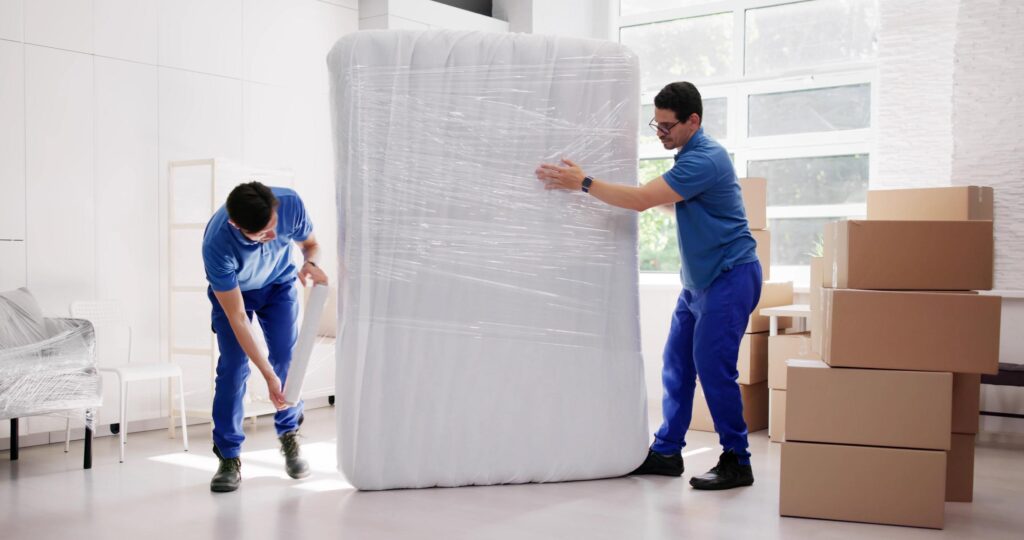
Professional packing services dramatically reduce the time required to prepare for a move.
Experienced packers work quickly because they:
- Use proven packing strategies
- Work in coordinated teams
- Bring all necessary packing supplies
- Know how to protect fragile and specialty items
For example, a 3-bedroom home might take 40–60 hours to pack yourself. Professional packers can often pack within 5–8 hours.
Flexible Packing Options
Not every move requires full packing services.
Professional packing services can be tailored to different needs, including:
- Full service packing for the entire home
- Partial packing for specific rooms
- Packing of delicate or breakable items such as dishes and glassware
- Packing of specialty items or valuables
Even partial packing support can significantly help with a move. Learn about the differences between DIY packing vs. professional packing to see what approach works best for you.
Tips for Packing Faster If You’re Doing It Yourself
If you’re planning to pack without professional help, here are some strategies that can help reduce packing time.
Start Early
Ideally, begin packing 4–6 weeks before moving day.
Start with:
- Seasonal items
- Non-essential items
- Storage areas and closets
Create a Packing Schedule
Breaking the job into smaller tasks helps keep things manageable.
For example:
- Week 1: Storage and seasonal clothing
- Week 2: Guest rooms and décor
- Week 3: Living areas and bedrooms
- Week 4: Kitchen and daily essentials
Setting weekly goals helps ensure you have enough time to complete the process.
Pack One Room at a Time
Trying to pack multiple rooms simultaneously can quickly become overwhelming.
Focus on one room at a time. Label boxes clearly and keep similar items together. You can even make a packing zone to put packed boxes in.
Prepare an Essentials Box
One of the most useful packing techniques is creating an essentials box, which can include:
- Important documents
- Phone chargers
- Basic toiletries
- Medication
- A change of clothes
- Cleaning supplies
- Other necessary personal items
Packing is the Hardest Part of Moving
While many people focus on moving trucks and logistics, packing is usually the most time-consuming task of a move.
Packing needs:
- Careful organization
- Protective wrapping
- Hours of physical work
- Significant attention to detail
Packing properly is challenging, but many Edmontonians planning a move find that hiring professional movers and packers reduces the stress and saves them time.
Make Packing Easier for Your Next Move
From sorting belongings to protecting your most delicate items and labeling packed boxes, packing can easily consume days—or weeks—of your time.
Be stress-free with professional packing services. Canadian Moving Services ensure your belongings are safely packed, organized, and ready for moving day without the last-minute rush.